Floral Recycling and Responsible Disposal in Harringay 2026
Posted on 03/10/2026
Fresh flowers brighten a room in seconds. Then, a few days later, you're left with stems, wrap, ribbons, water, and that slightly awkward question: what now? Floral Recycling and Responsible Disposal in Harringay 2026 is about handling all of that in a way that feels responsible, practical, and-let's be honest-less wasteful.
If you are arranging flowers for a home, event, shop, office, or a sensitive occasion such as a farewell, the choices you make after the blooms fade matter. Some materials can be reused, some can be composted, and some need to go in general waste. The trick is knowing which is which, and doing it without turning a beautiful bouquet into a rubbish-bin headache.
In this guide, we'll cover how floral recycling works, what to do with different types of flower waste, common mistakes to avoid, and the smartest ways to dispose of arrangements in Harringay with less fuss. You'll also find a practical checklist, a comparison table, and answers to the questions people usually ask when they want to do the right thing but don't want a lecture.
Why Floral Recycling and Responsible Disposal in Harringay 2026 Matters
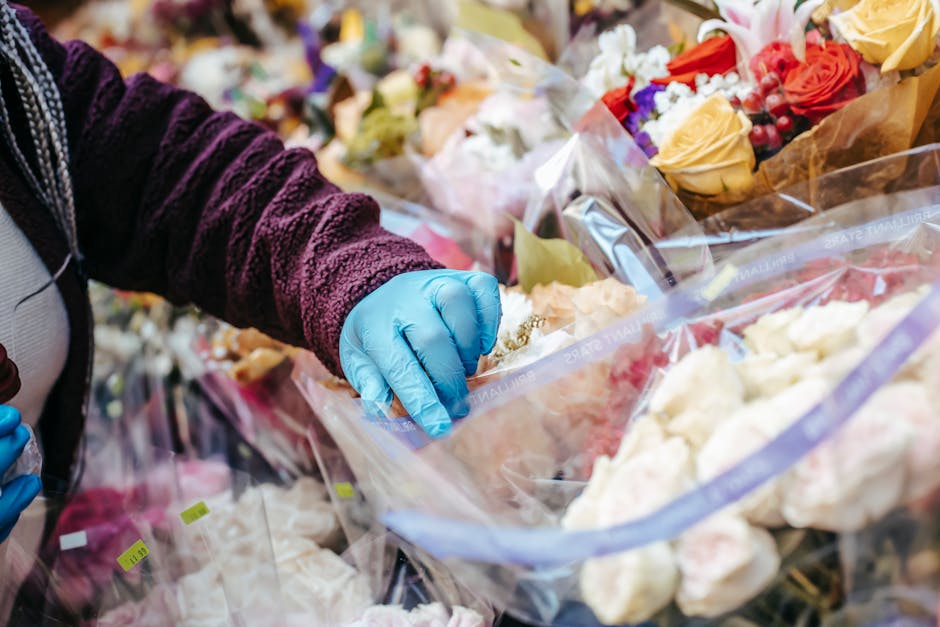
Flowers are natural, but floral waste rarely is. A bouquet often includes mixed materials: stems, leaves, cellophane, tape, plastic sleeves, foam, cards, ribbon, twine, water tubes, vases, and sometimes batteries or lights in decorative arrangements. That mix makes disposal trickier than people expect. One minute it looks like "just flowers"; the next, you realise you've got half a dozen material streams to sort out.
In Harringay, where many homes are compact and collection space is limited, thoughtful disposal matters even more. A small flat in N4 doesn't exactly have room for three separate bins of flower leftovers, and a busy business cannot afford bins that become smelly or full of the wrong thing. Responsible floral disposal reduces waste, helps with cleaner storage, and makes it easier to reuse what still has life in it.
There's also a simple human side to this. Flowers often mark birthdays, condolences, weddings, apologies, or little everyday moments. Throwing them away is sometimes inevitable, but doing it carelessly can feel wasteful or, in some cases, disrespectful. That's why a calm, practical system helps. You do not need to make it perfect. You just need to make it sensible.
In our experience, the biggest improvement comes from deciding disposal at the same time you choose the arrangement. If you already know whether a display is likely to be reused, composted, donated, or broken down for general waste, the whole process becomes easier later on. Simple. And a lot less fiddly.
How Floral Recycling and Responsible Disposal in Harringay 2026 Works
The process is straightforward once you split the arrangement into parts. Think of it as separating the living material from the non-living extras. Fresh petals and stems behave very differently from florist foam or plastic wrap, so they should not be treated as one waste stream.
Here is the basic logic:
- Reusable items are kept aside first: clean vases, ribbons, baskets, card holders, and decorative containers.
- Organic material such as flower heads, stems, leaves, and foliage is separated for composting or green waste where suitable.
- Non-organic extras like tape, foam, cellophane, wire, and plastic ties are removed and disposed of according to the local waste setup.
- Special items such as tribute bases, large wreath frames, or event installations may need a separate breakdown because they often combine several materials.
That sounds neat on paper. Real life, though, is messier. Some bouquets are tied tightly, some funeral tributes are built on moisture-retaining bases, and some event flowers arrive with adhesives that are stubborn enough to make you mutter under your breath. Still, the principle stays the same: separate what can be reused or composted from what cannot.
For a household, that might mean trimming dead stems, composting the green waste if accepted locally, and rinsing a vase for reuse. For a florist or event organiser, it may mean establishing a clear sorting routine at the end of each day so fresh flowers, compostable material, and general waste do not all land in one heap.
Key Benefits and Practical Advantages
Responsible floral disposal is not just about being tidy. It has a few genuine payoffs that show up pretty quickly.
Less waste, less clutter
When flower waste is sorted properly, bins fill more slowly and smell less. That alone is worth it in a warm kitchen or a back room that doesn't get much airflow. Anyone who has forgotten a vase of faded lilies by the sink knows the problem. The smell announces itself. Loudly.
Better reuse of good materials
Useful items like glass vases, jugs, baskets, and decorative wraps can often be reused for future arrangements, gifting, or storage. A good vase is never really "used up" unless it breaks. Reusing them saves money and reduces the number of things entering the waste stream in the first place.
Cleaner homes and workspaces
Sorting floral waste early prevents sticky water, petals, and stems from spreading across surfaces. If you've ever cleared old flowers from a windowsill after a few humid days, you'll know the difference. A clean disposal system is not glamorous, but it keeps the room feeling fresh.
More respectful handling of tribute flowers
For sympathy flowers, funeral sprays, wreaths, or memorial arrangements, careful disposal can matter emotionally as well as practically. Families often want tributes handled thoughtfully, with keepsakes separated first and recyclable or compostable parts treated with care.
Reduced contamination
Even small amounts of plastic wrap or foam can spoil a compost load. That is one of the most common issues. Once contaminated, a supposedly green waste bag may no longer be suitable for composting. So a few extra seconds at the start saves a lot of trouble later.
| Approach | Best for | Pros | Limitations |
|---|---|---|---|
| Reuse | Vases, baskets, jars, ribbons, containers | Saves money, reduces waste, easy to repeat | Only works if items are clean and undamaged |
| Composting / green waste | Stems, leaves, petals, untreated foliage | Good for natural material, low-impact option | Not suitable when mixed with plastic or foam |
| General waste | Foam, tape, plastic wrap, mixed adhesives | Simple when separation isn't possible | Least sustainable option, so use sparingly |
| Donation / redistribution | Still-fresh flowers from events or surplus stock | Extends life and helps others enjoy them | Needs planning and timing; not always possible |
Who This Is For and When It Makes Sense
This topic applies to more people than you might think. It's not only for florists or sustainability-minded households. In Harringay, floral recycling is useful whenever flowers are bought, received, displayed, or cleared away in quantity or with mixed materials.
Households
If you regularly receive bouquets for birthdays, anniversaries, get-well gestures, or just because someone felt like being thoughtful, you'll benefit from a simple end-of-life routine. Even one bouquet a month adds up over a year.
Florists and event teams
Professionals dealing with daily stock, same-day arrangements, weddings, or sympathy tributes need a more organised system. A florist who sorts waste well often works faster and keeps the shop cleaner too. That's not just sustainability; that's good workflow.
If you're planning flowers for an event and want a broader view of presentation and ordering, pages like wedding flowers in Harringay and funeral flowers in Harringay can help you think ahead about the type of arrangement you'll later need to break down.
Offices, reception spaces, and hospitality venues
These spaces often use flowers to keep a room welcoming. The issue is rotation. Old arrangements are easy to ignore until they've gone beyond saving. A weekly reset is usually better than leaving staff to "deal with it later", which, in fairness, usually means "never" until someone notices the water has gone cloudy.
Families managing sensitive occasions
Tributes and memorial flowers may include keepsake ribbons, notes, or special containers. In those cases, responsible disposal is as much about respect as environmental care. It makes sense to pause before binning anything. A small card, a dried bloom, or a meaningful ribbon may be worth keeping.
Budget-conscious buyers
If you prefer value-driven choices, good disposal habits protect your purchase. Reusing a vase, preserving a few dried stems, or extending the life of arrangements with correct care can make lower-cost flowers feel far less "short term". If you often look for affordable options, browsing cheap flowers in Harringay or budget flower selections can be a smart starting point.
Step-by-Step Guidance
If you want a practical process, use this simple sequence. It works for homes, small businesses, and event spaces alike.
- Separate keepsakes first. Take out cards, ribbons, personalised tags, or containers you want to keep.
- Check the materials. Look for foam, wire, plastic sleeves, ties, clips, or hidden water picks.
- Remove non-organic items. Pull away tape, cellophane, and decorations that do not belong in compost or green waste.
- Trim the natural waste. Cut stems and foliage into smaller pieces if required by your composting setup.
- Sort by destination. Place compostable material, recyclable packaging, and general waste into the correct bins.
- Rinse reusable containers. Wash vases and buckets before storing them so they don't collect smell or residue.
- Dry and store properly. Put reusable items somewhere safe and visible, not buried at the back of a cupboard.
A small household might do this once or twice a week. A florist might do it several times a day. An events team might do a final sweep after guests leave, when flowers still look decent enough for redistribution. Timing matters. The fresher the flowers, the more likely they can be reused or passed on.
One useful habit: keep a dedicated "flower breakdown" tray or box near your bin area. It sounds like a tiny thing, but it makes a big difference when you're tired and just want everything off the table before dinner.
Expert Tips for Better Results
After working through enough arrangements, a few practical habits stand out. Not flashy, just effective.
Choose recyclable or reusable packaging where possible
Not all presentation materials are equal. Simpler wrap, fewer plastics, and reusable containers make disposal much easier later. If you're ordering flowers frequently, choose styles that can be separated cleanly rather than heavily glued displays.
Dry before you store
Moisture is the enemy of reusable storage. Even a nice wicker basket or glass vase can start to smell if put away damp. Let everything air dry fully. It takes a bit longer, yes, but it saves hassle later.
Build reuse into your routine
Instead of buying new containers every time, keep a small collection of vases, jars, and vessels in circulation. That habit pays off surprisingly quickly. One day you'll open a cupboard and think, "Right, we've got enough glass already."
Don't overpack the bin
Flower waste can be bulky. Overfilling the bin crushes stems and traps moisture, which leads to odour and mess. If you have a lot of floral waste, break it down in smaller batches rather than stuffing everything in one go.
Keep an eye on tribute pieces
Funeral and memorial designs often contain sentimental elements. Before disposal, check for pinned cards, ribbons, keepsake tags, or printed messages. Small items are easy to miss when the arrangement is dry and loose. Truth be told, that's where many people get caught out.
Use flower care to extend life before disposal
The longer flowers stay fresh, the less often you need to replace them. A few sensible care habits can delay waste and make the most of what you've bought. For practical advice, the flower care guidance on the site is a helpful companion to this article.
Common Mistakes to Avoid
Most problems with floral disposal come from rushing. Which, fair enough, is what people do when a vase is leaking and the cat is already interested in the ribbon.
- Putting everything in one bin. Mixed waste makes recycling and composting far less effective.
- Leaving water in vases. Old flower water can spill, smell, and create a mess on the way to the bin.
- Forgetting hidden plastics. Thin sleeves, flower picks, ties, and tape are easy to miss.
- Compacting compostable waste with non-compostable material. One bit of foam can ruin the whole batch.
- Storing reusable items while damp. This leads to odours, mould, or cloudy glass.
- Throwing away sentimental pieces too quickly. Some flowers, cards, or ribbons are worth keeping for a little while longer.
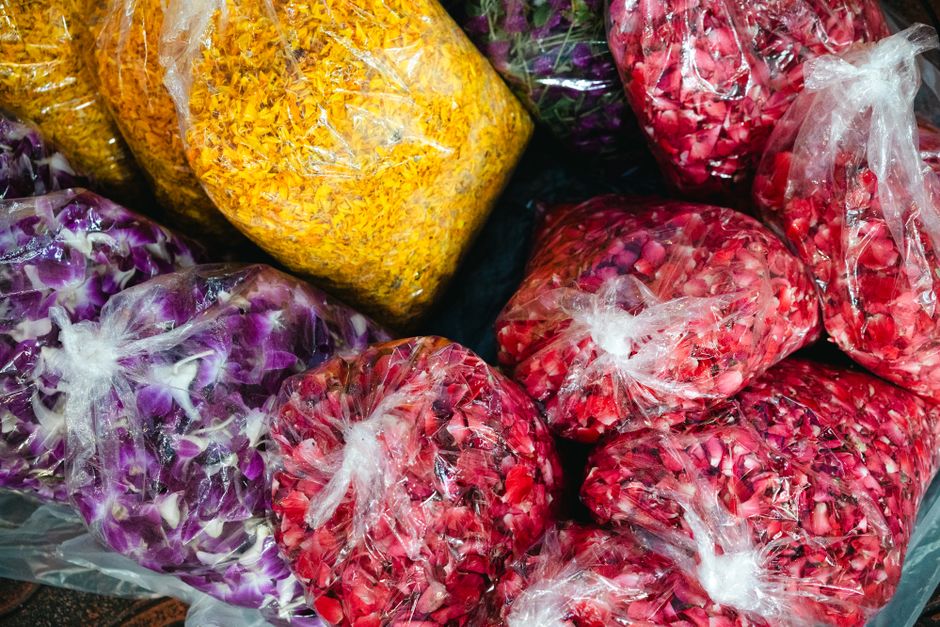
Another mistake is assuming all "green" material can go in the same place. That is not always true. A fully natural bouquet is one thing; a bouquet pinned into floral foam is another. They may look similar on the surface, but their disposal needs are completely different.
Tools, Resources and Recommendations
You don't need a specialist kit to do this well, though a few simple tools make life easier. A decent pair of scissors, a small knife for cutting ties, a wash basin, and a couple of sorting boxes will cover most needs. Nothing glamorous. Very useful, though.
- Sorting trays or tubs: Keep reusable, compostable, and general waste items separate while you work.
- Sharp scissors or garden snips: Useful for cutting stems and removing binding materials.
- Wash bucket or sink space: For cleaning containers and vases before reuse.
- Storage shelf or crate: Helps keep clean containers ready for the next arrangement.
- Compost bin or accepted green waste route: For natural flower material where local arrangements allow it.
When choosing flowers in the first place, it helps to think about the full life cycle of the arrangement. Some styles are easier to break down than others. Simpler presentation, reusable containers, and less plastic tend to make later disposal much easier. If you're comparing different types of purchase, the florist in Harringay and flower shop options you use should ideally make that process straightforward.
You can also choose arrangements with longer display life if you want fewer replacements and less waste over time. If fresh flowers are part of your weekly routine, it may be worth exploring subscriptions such as a 3-month flower subscription or a 6-month flower subscription so your purchases are planned rather than ad hoc.
Law, Compliance, Standards, or Best Practice
For most households, floral disposal is a practical waste-separation question rather than a legal one. For businesses, especially florists, venues, event teams, and workplaces with regular flower deliveries, it becomes a matter of good waste management and sensible housekeeping.
In the UK, waste should be handled according to the waste stream it belongs to. That means not mixing recyclable, compostable, and residual waste without good reason. The exact collection options available in Harringay can vary by property type, building management, and local service arrangements, so it's worth checking what your premises can actually support. Better to work with the system you have than to guess and contaminate a bin.
Best practice usually means:
- separating organic flower waste from plastic packaging;
- keeping oils, dyes, or adhesive-heavy materials out of compost where they do not belong;
- making sure staff know what to do with mixed tributes or event installations;
- storing waste in a way that avoids odour, leaks, or pests;
- keeping customer-facing spaces clean and respectful, especially after sensitive occasions.
If you run a business, it also helps to have written waste steps. Not legal drama. Just a plain internal process so everyone does the same thing. That is often enough to prevent confusion when a busy day hits and half the team is sorting flowers while the other half is answering the phone.
Options, Methods, or Comparison Table
Different situations call for different disposal methods. A wedding venue, for example, has very different needs from a home kitchen or a florist's workbench. Here's a practical comparison.
| Method | Best used when | Works well for | Watch out for |
|---|---|---|---|
| Reuse | Containers and accessories are clean and intact | Vases, jars, baskets, ribbons, tags | Broken glass, residue, damaged items |
| Home composting | The flowers are natural and free of non-organic parts | Stems, leaves, petals, untreated foliage | Foam, tape, wire, plastic ties |
| Green waste collection | Your property or local setup accepts garden-style organic waste | Large volumes of plant matter | Mixed materials, overly wet loads |
| General waste | No better separation route is available | Foam, contaminated wrap, mixed adhesives | Using this for everything by default |
| Redistribution or donation | Flowers are still fresh and can be used quickly | Event leftovers, surplus display stock | Timing, transport, and hygiene concerns |
The best option is usually the least wasteful one that still fits the material and the time you have. Sometimes that's reuse. Sometimes it's compost. Sometimes, to be fair, it's just getting the right bits into the right bins and moving on.
Case Study or Real-World Example
Picture a small Harringay cafe that gets fresh flowers every Friday. At first, the staff were putting everything in one bag: flowers, wrap, tape, the whole lot. By Monday morning the bag was heavy, damp, and not much fun to handle. The back room smelled faintly sweet and vaguely rotten, which is not the atmosphere you want next to clean cups.
After a few weeks, they changed the routine. The person closing up on Friday now does three things: removes any reusable vase, cuts the stems and sets aside the organic waste, and strips out the plastic wrap and ties before binning the leftovers. They also keep the glass vase rack by the sink so dry containers can be returned to use quickly.
The practical result? Less mess, fewer mixed bins, cleaner storage, and a faster close-down at the end of the day. Nothing dramatic. Just easier. That's usually how good systems work. You don't feel them shouting at you; you just notice the room is calmer.
The same approach works for homes after birthdays, and it works just as well for florists managing mixed orders. A smart system does not have to be complicated. It only has to be repeatable.
Practical Checklist
Use this checklist when clearing flowers, whether from home, a shop, or an event space.
- Have I removed any keepsakes, cards, or messages?
- Have I separated reusable containers from waste?
- Have I taken out plastic wrap, ties, tape, and foam?
- Have I checked whether the organic material can be composted or collected as green waste?
- Have I drained or emptied all water from vases and tubes?
- Have I cleaned any reusable items before storing them?
- Have I kept delicate tribute pieces aside for a second look?
- Have I put the right material in the right bin, without contamination?
- Have I made the process easy to repeat next time?
Practical summary: sort early, remove non-organic parts, reuse what you can, and compost or bin the rest according to the material. That's the simplest way to keep floral waste under control without overthinking it.
Get a free quote today and see how much you can save.
Conclusion
Floral recycling and responsible disposal in Harringay does not need to be complicated. Once you treat flowers as a mix of reusable, compostable, and residual materials, the process becomes much clearer. You save space, cut waste, and avoid the little dramas that come from soggy packaging and overfilled bins.
More importantly, you handle flowers in a way that respects the reason they were given. Whether they marked joy, sympathy, thanks, or a simple everyday kindness, that care still matters at the end. A good disposal routine keeps that thought alive right through to the final stem.
If you build even a small habit around sorting, reusing, and cleaning up properly, the results add up fast. And once it becomes second nature, you'll wonder why it ever felt awkward in the first place.
Small actions, done well, really do make a difference.
Frequently Asked Questions
What does floral recycling mean in practical terms?
It means separating flower waste into useful categories: reusable items, compostable plant material, and non-recyclable extras like tape, foam, and plastic wrap. The goal is to reduce waste and keep materials out of the wrong bin.
Can I compost all flower arrangements?
No. Natural stems, leaves, and petals are often suitable, but many arrangements include foam, wire, plastic, or glue. If the bouquet is mixed-material, you need to remove the non-organic parts first.
What should I do with old bouquet water?
Empty it carefully before disposal or washing the vase. Stale flower water can smell unpleasant and may spill while you are sorting the arrangement. It's a tiny step, but a useful one.
Are florist foam and floral foam recyclable?
In most everyday situations, no. Floral foam is not usually treated like normal recyclable packaging, so it normally ends up in general waste unless a specialist route exists. Check local guidance rather than guessing.
How do I dispose of funeral flowers respectfully?
Start by removing any keepsakes, cards, and ribbons you want to preserve. Then separate the natural material from any non-organic items. If the tribute was especially meaningful, take a moment before discarding anything. That pause matters.
Can flower vases and containers be reused?
Yes, most glass, ceramic, metal, or sturdy plastic containers can be reused if they are clean and undamaged. Wash and dry them fully before putting them back into storage.
What is the most sustainable way to dispose of flowers?
Usually the most sustainable route is to reuse containers, compost natural material where possible, and minimise mixed waste. The best method depends on the arrangement and what your local setup accepts.
How can businesses reduce floral waste more effectively?
Use simpler packaging, sort waste immediately after use, keep reusable containers in circulation, and train staff on what belongs in each bin. A short internal process often makes the biggest difference.
Do dried flowers need to be thrown away differently?
Dried flowers are still usually treated as organic material, but any wires, sprays, or decorative coatings should be removed first. Some dried arrangements are more fragile, so handle them gently to avoid scattering debris everywhere.
Is it worth separating flower waste from other rubbish at home?
Yes, especially if you want a cleaner bin, fewer smells, and a better chance of composting the natural parts. It only takes a few extra minutes, and the difference is noticeable.
How often should shops or venues clear floral waste?
As often as needed to stop waste building up. For busy sites, that might be daily. For homes, it might be after each bouquet fades. The right rhythm is the one that keeps the space clean and easy to manage.
Where do I start if I've never recycled flowers before?
Start with one bouquet. Remove any keepsakes, strip out plastic and ties, and place the plant material somewhere suitable. Once you've done it once, the process becomes much less intimidating. Really, that's the hardest bit.